-
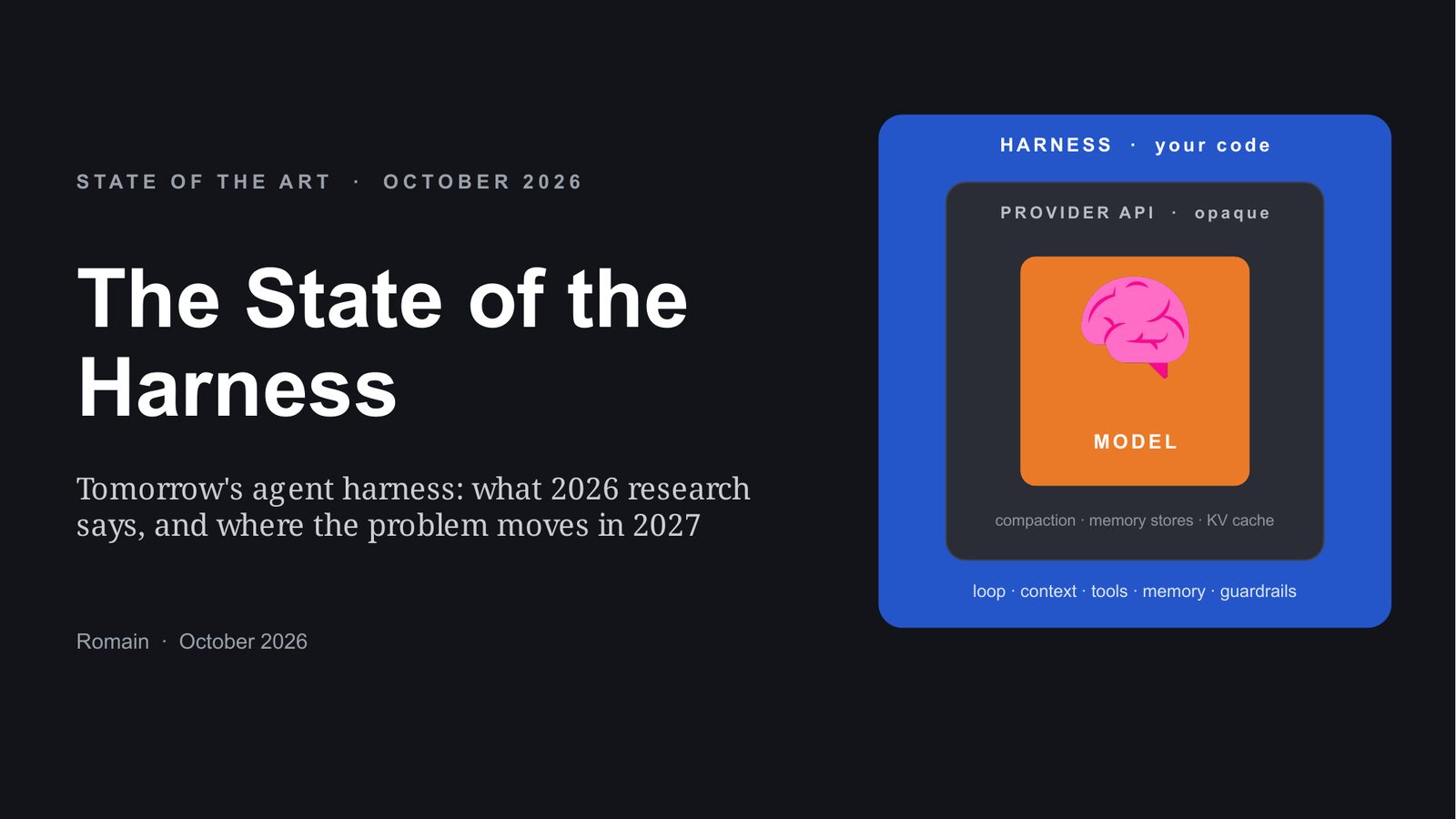
The State of the Harness
Tomorrow's agent harness: what 2026 research says, and where the problem moves in 2027. A 62-slide state of the art on agent harnesses (114 sources, seven hypotheses tested), with a lightly edited write-up of each slide.
-
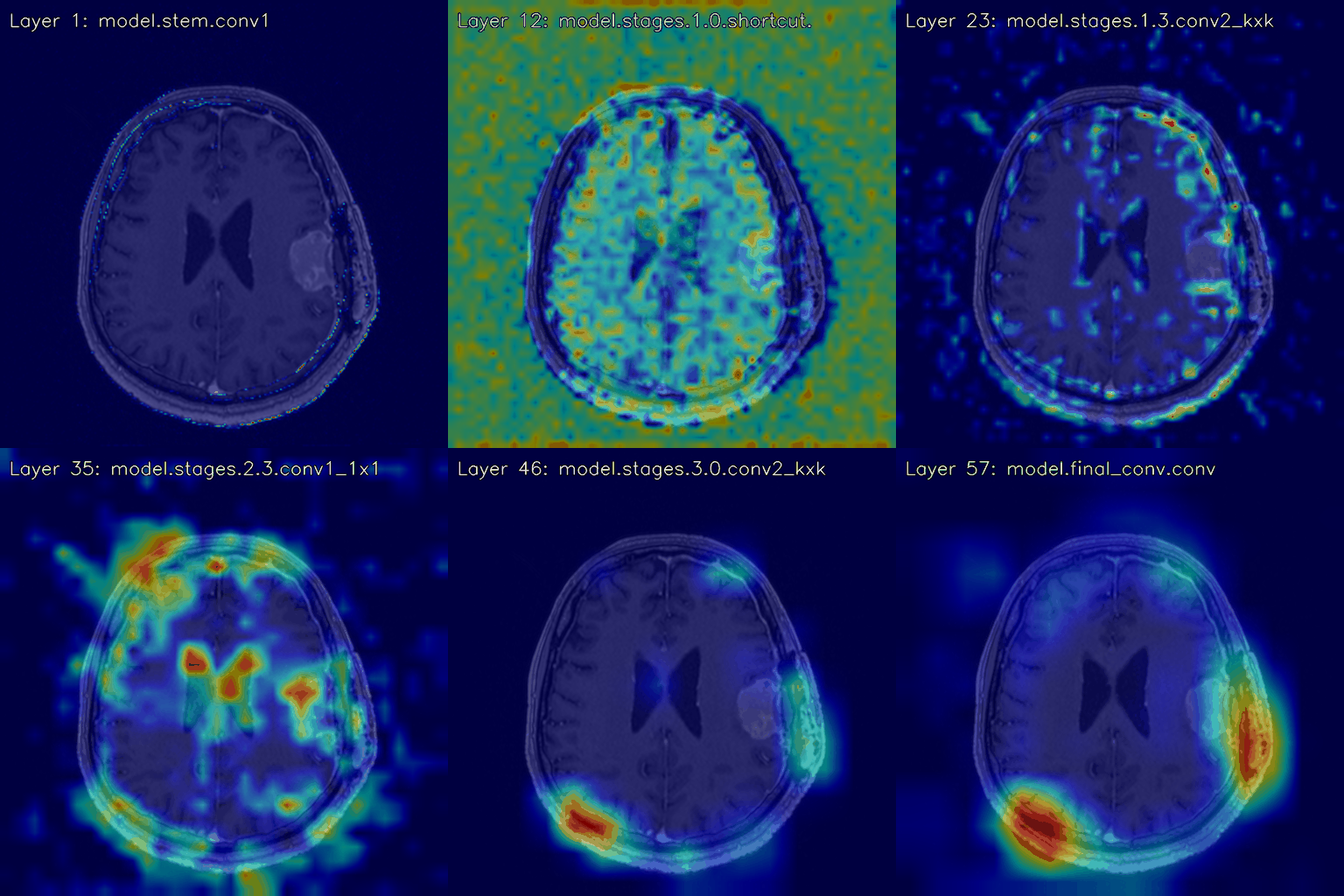
Explainability and Clinical Trust of Deep Learning in Glioblastoma Treatment Efficacy Prediction
A multi-layered XAI audit (Grad-CAM, LRP, LIME, input ablation, linear probing) of a ResNet-51q model predicting glioblastoma overall survival, revealing a high-intensity heuristic, with a multi-reader clinical study of its explanations.
-
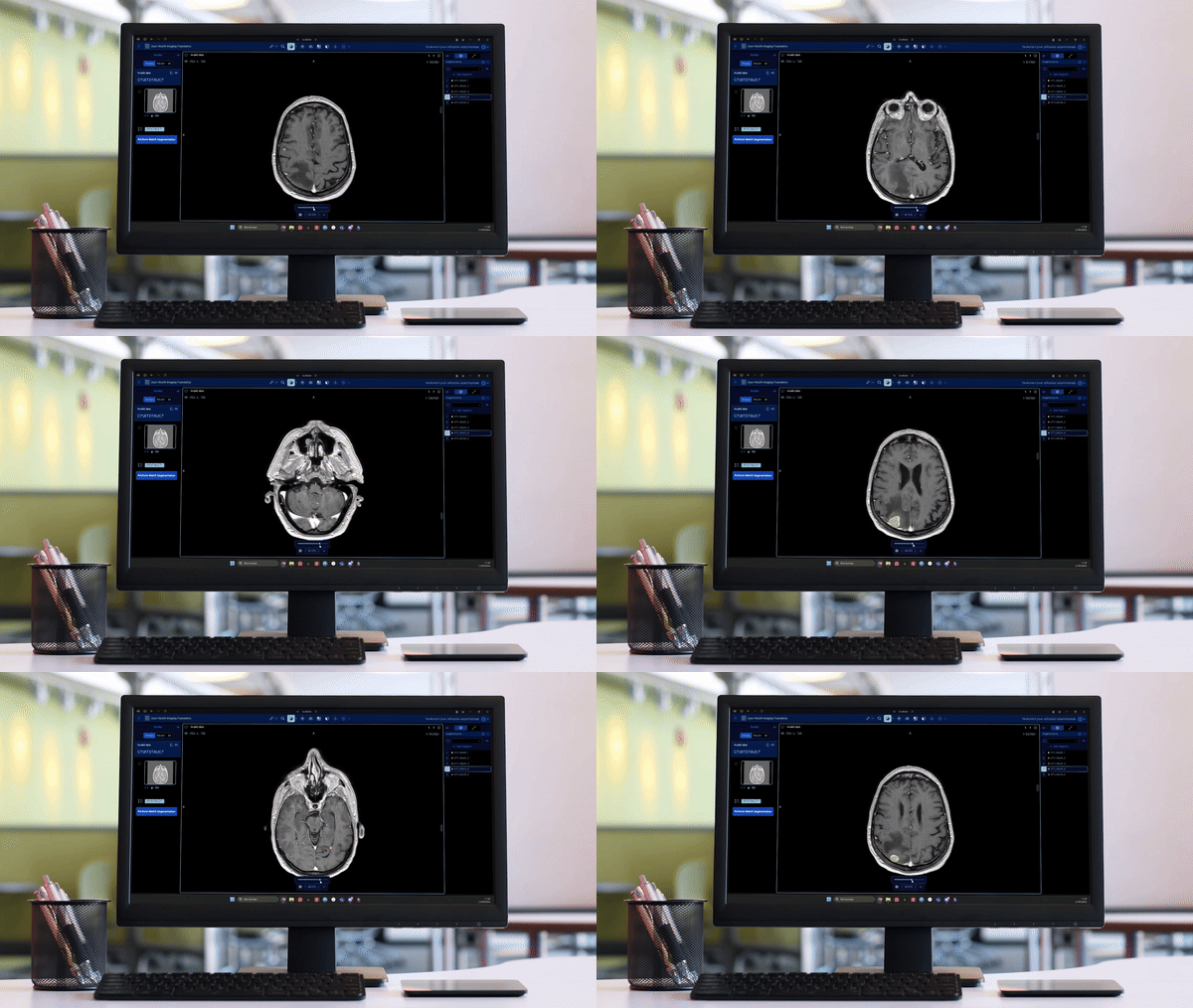
MetIA — Deploying a Deep Learning Interface for Brain Metastases Segmentation
Deployment and optimization of a UNETR-based deep learning pipeline for automatic brain lesion segmentation on MRI, integrated into the OHIF Viewer at Centre François Baclesse.
-
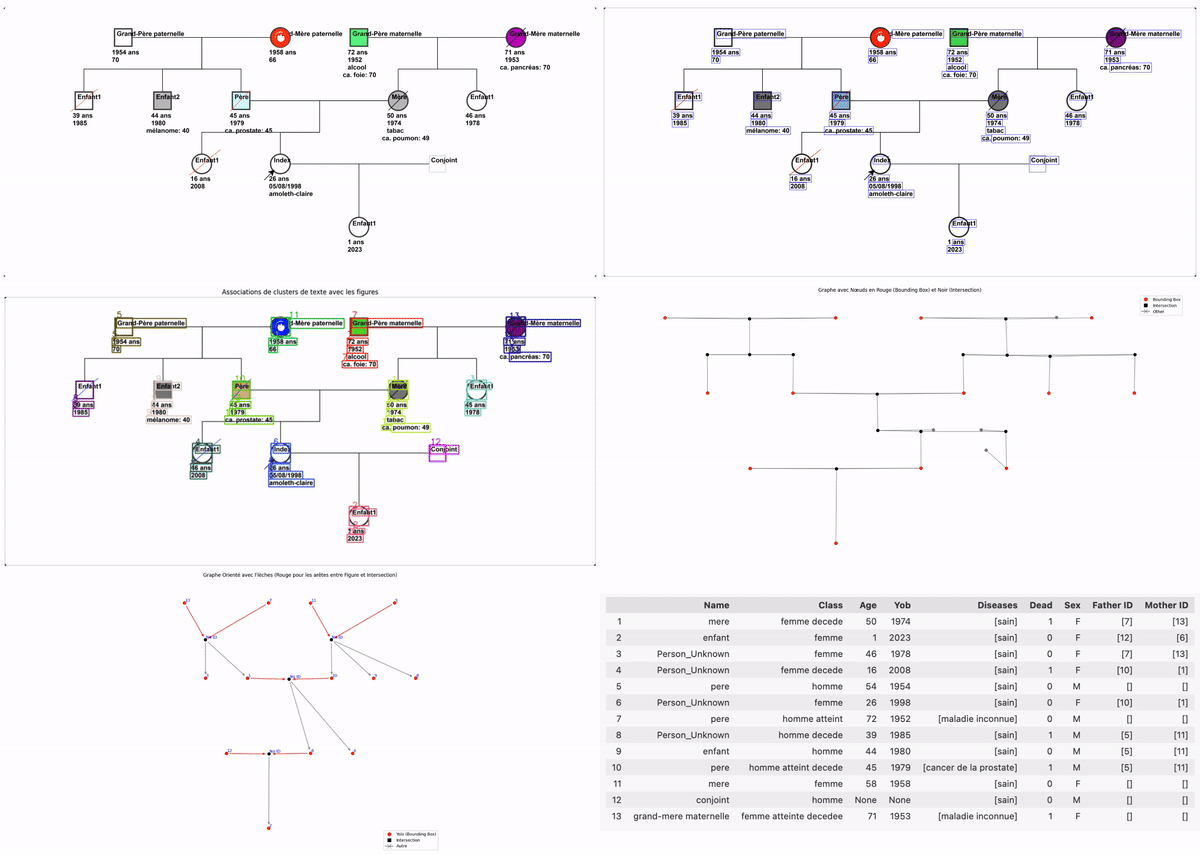
GeneticPedigreeChartToPed — Digitizing Family Trees for Hereditary Cancer Risk
An end-to-end computer vision pipeline combining six AI models to convert hand-drawn medical family trees into structured data usable by clinical tools like CanRisk.
-
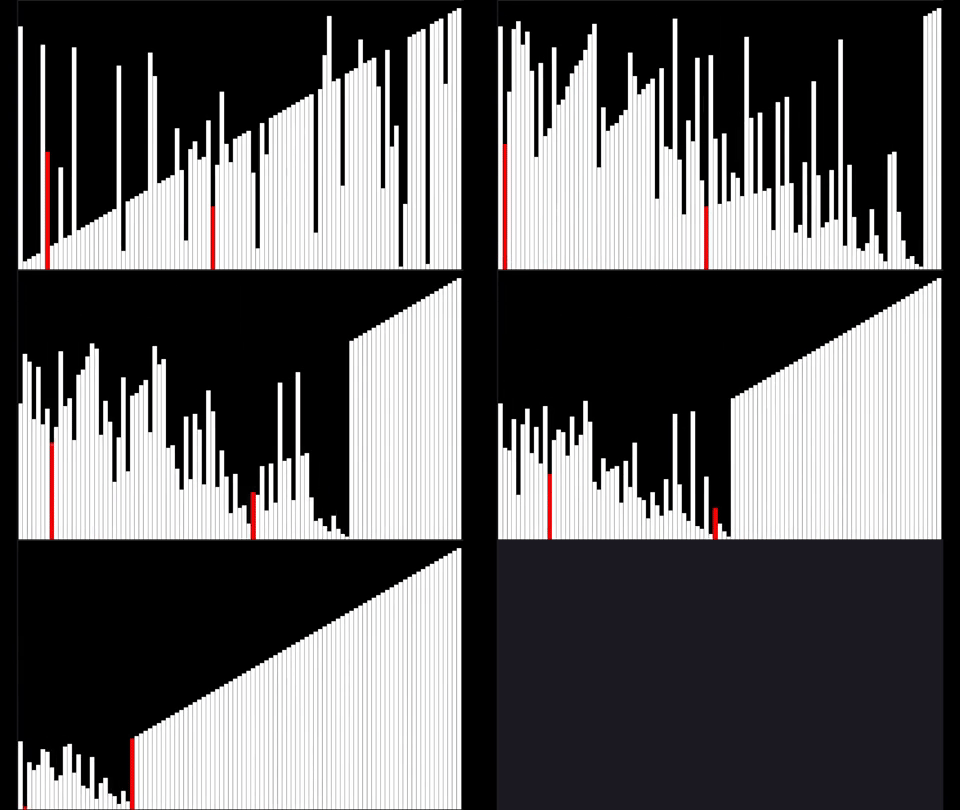
Sorting Algorithms Visualizer & Comparative Performance Study
A C++ visualization app for classic sorting algorithms paired with a Python/Jupyter analysis pipeline comparing their performance across data distributions.